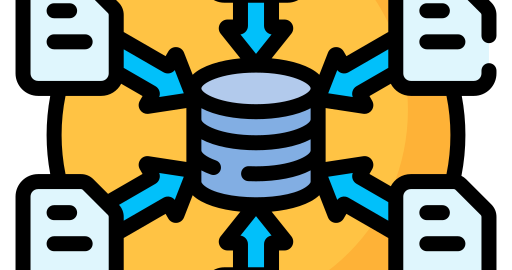

Log aggregation is the process of collecting and centralizing log data from various sources into a single system where it can be processed, stored, and analyzed. Logs are generated by software systems, applications, services, and infrastructure components, and they provide valuable insights into the behavior and performance of these systems. Aggregating these logs involves gathering them from different servers, applications, and environments to offer a unified view of all system activities. This allows developers, system administrators, and security teams to monitor, troubleshoot, and maintain the system more efficiently.
In software development and production operations, log aggregation plays a critical role in ensuring the reliability, performance, and security of an application or service. As modern software systems are often complex, distributed, and involve many moving parts, keeping track of logs from different sources becomes a daunting task. Aggregating logs allows teams to monitor the health of the system in real-time, detect errors, performance bottlenecks, security incidents, or other anomalies that could impact users. Without log aggregation, monitoring would be disjointed, with crucial information spread across multiple places, making it difficult to maintain system stability and quickly address issues.
Log aggregation provides a “single pane of glass” view, where everything that’s happening across the platform can be seen in one place. This unified view is crucial in today’s dynamic environments, especially when dealing with microservices architectures or multi-cloud infrastructures. By centralizing log data, teams can quickly access logs from different services, environments, and layers in the system. This allows them to correlate events, identify root causes of issues, and detect patterns in real time. This visibility reduces the complexity of monitoring distributed systems and provides context for understanding how different parts of the system interact with each other.
Faster troubleshooting and time to resolution are significant advantages that come with log aggregation. When issues occur, whether it’s a bug in the application code, a network outage, or a server failure, aggregated logs help engineers quickly pinpoint the source of the problem. They no longer have to manually search through logs across multiple systems or services, which can be time-consuming and prone to human error. With centralized logging tools, logs can be searched, filtered, and analyzed more efficiently, enabling teams to resolve issues faster, minimize downtime, and improve the overall user experience.
There are several well-known log aggregation tools that provide these capabilities, and they have become essential in modern software development and operations. OpenSearch, an open-source, distributed search and analytics suite, is one such tool. It offers robust features for log aggregation, enabling teams to store, search, and analyze log data efficiently. Other popular tools include Elasticsearch, Logstash, and Kibana (often collectively known as the ELK stack), Splunk, and Datadog. These tools are highly rated for their scalability, ease of use, and powerful search capabilities, helping teams manage vast amounts of log data and gain actionable insights.

Technologist, Cloud Promoter, Automation and Continuous Optimization Advocate.