-
Technology and Infrastructure Cost Management: From Predictable Hardware Investments to Continuous Cloud Optimization
In the traditional, hardware-driven infrastructure model, technology costs were generally more predictable and easier to forecast. Organizations invested in physical servers, storage systems, networking equipment, and data center facilities, with most expenditures calculated and approved upfront. Capital investments were planned around known hardware requirements, depreciation schedules, maintenance contracts, and expected capacity needs. While scaling infrastructure…
-

Cloud Connectivity in AWS: Choosing Between NAT and Internet Gateways
During a few of my AWS Cloud infrastructure build outs, client team members tend to wonder and ask why I use both Internet Gateway service, as well as a NAT Gateway service when setting up the network layer of the environment. Some with advanced networking knowledge made a point stating that we could skip the…
-
Containers Unboxed: Navigating the Sweet Spot Between ECS, EKS, and Kubernetes (K8s)
Containers: A lightweight, portable unit that packages an application and its dependencies into a single standardized executable image. Unlike traditional applications that rely on host operating systems and local dependencies, containers provide isolation at the process level, ensuring consistency regardless of where they run—be it on a developer’s laptop, an on-premises server, or a cloud…
-
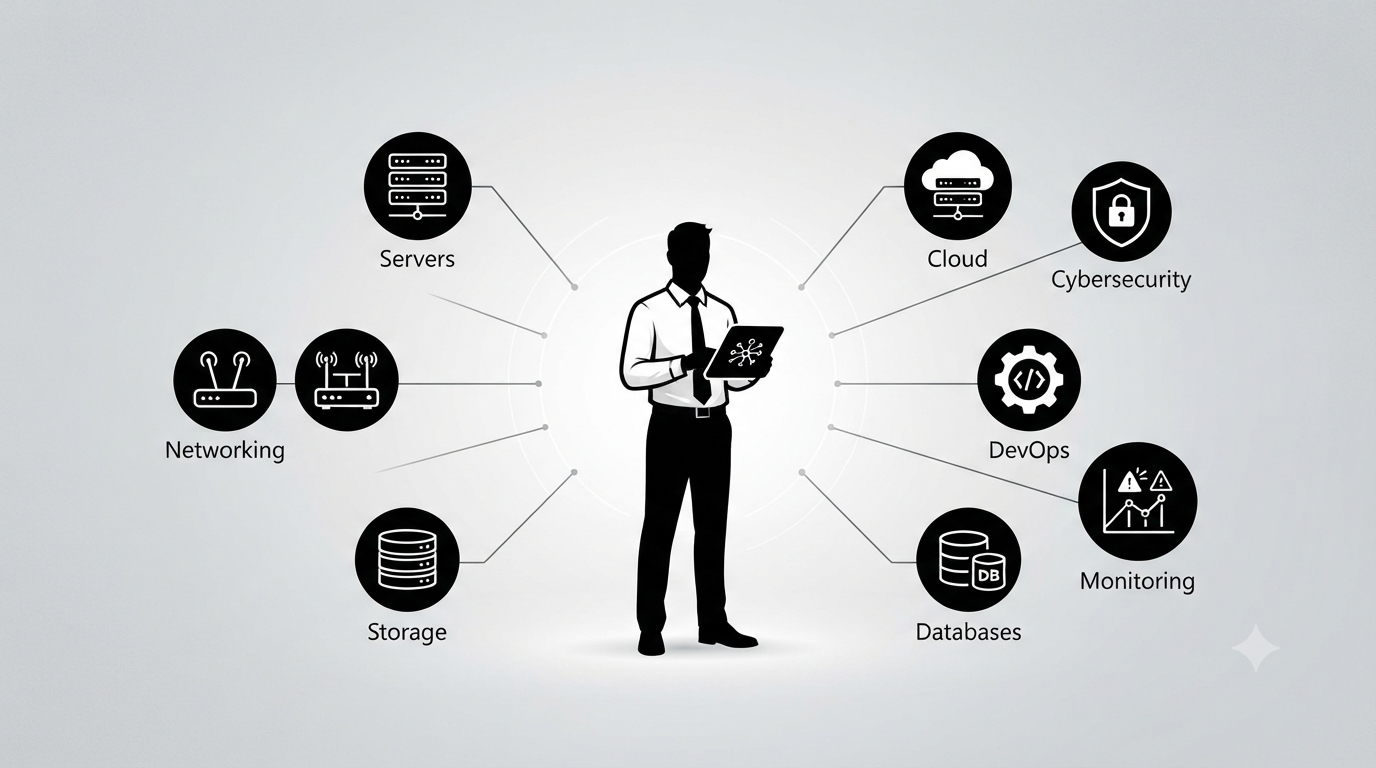
From Servers to the Cloud: The Story of SysAdmin, DevOps, and SRE Roles
In the world of technology, three roles have shaped how systems are built, run, and kept alive: the traditional System Administrator, the modern DevOps engineer, and the specialized Site Reliability Engineer. Each emerged from different needs, shaped by the tools and challenges of their time. As businesses shifted from on-premises hardware to cloud-native architectures, these…