-
Technology and Infrastructure Cost Management: From Predictable Hardware Investments to Continuous Cloud Optimization
In the traditional, hardware-driven infrastructure model, technology costs were generally more predictable and easier to forecast. Organizations invested in physical servers, storage systems, networking equipment, and data center facilities, with most expenditures calculated and approved upfront. Capital investments were planned around known hardware requirements, depreciation schedules, maintenance contracts, and expected capacity needs. While scaling infrastructure…
-
The Evolution of the SysAdmin: Why Infrastructure Knowledge Still Matters in a Cloud-First World
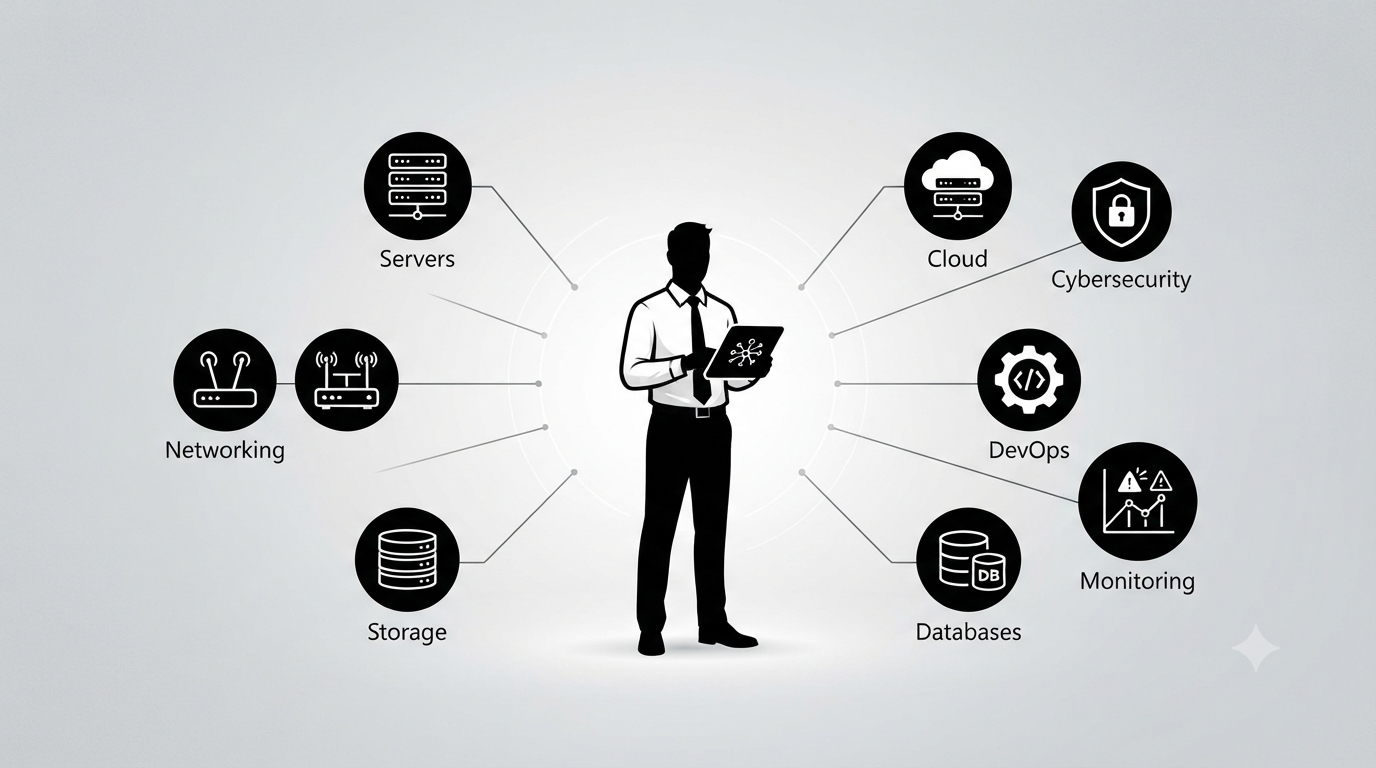
If you’ve worked in IT for more than twenty years, you’ve witnessed one of the biggest transformations our industry has ever experienced. The role of the traditional system administrator has gradually been divided into a collection of specialized positions: DevOps engineers, cloud architects, cybersecurity analysts, identity engineers, storage administrators, site reliability engineers, and countless others.…
-

AI-Powered Troubleshooting: Accelerating Resolution in Modern IT Environments
In today’s fast-paced digital landscape, organizations depend on technology more than ever before. When systems fail, applications slow down, or services become unavailable, every minute of downtime can impact productivity, revenue, and customer satisfaction. As IT environments continue to grow in complexity, traditional troubleshooting methods are being enhanced by one of the most transformative technologies…
-

Cloud Connectivity in AWS: Choosing Between NAT and Internet Gateways
During a few of my AWS Cloud infrastructure build outs, client team members tend to wonder and ask why I use both Internet Gateway service, as well as a NAT Gateway service when setting up the network layer of the environment. Some with advanced networking knowledge made a point stating that we could skip the…